Spicebush
Lindera benzoin Laurel family
A shade-loving shrub whose twigs, leaves and red berries all carry a warm citrus-and-allspice scent. It is the native spice rack for a site too dark for fruit trees.
Draft. This guide was checked against Extension, USDA and poison-control sources in November 2026. It has not yet been reviewed by a botanist or, where it touches the law, an attorney, and it is hidden from search engines until it is.

Know it
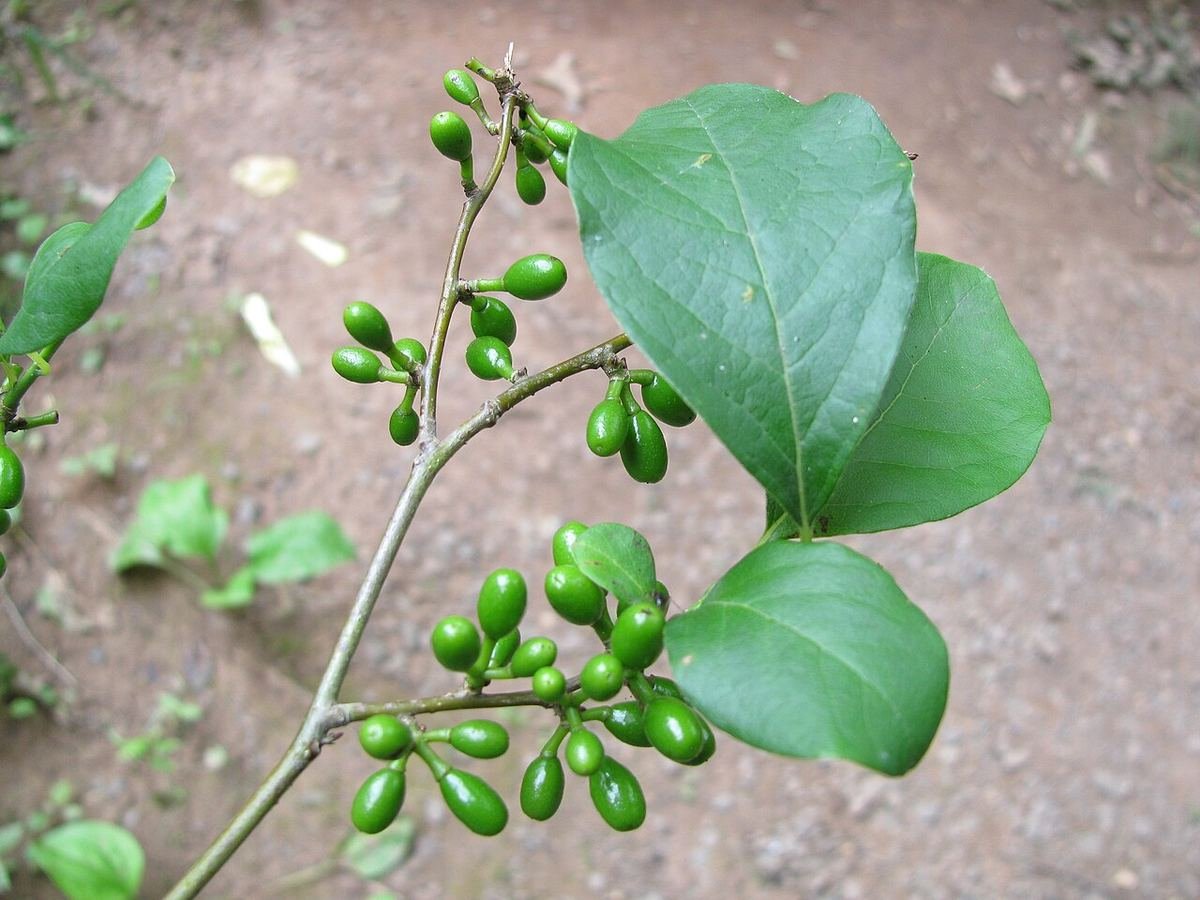
Scratch a twig with a fingernail and smell it. Few plants in the Alabama woods have that sweet, peppery, lemony scent. Sassafras is also spicy when scratched, but it has lobed, mitten-shaped leaves. The leaves are smooth-edged ovals that turn clear yellow in autumn. Tiny yellow flowers line the bare twigs in early spring, weeks before the trees leaf out. On female plants, glossy oval berries ripen from green to bright red.
Other red berries in the same woods
Several shrubs with red berries are not safe to eat: the hollies, flowering dogwood (bitter and inedible), the invasive bush honeysuckles and nandina, an escaped garden plant whose berries contain cyanide. None of them smells of spice when you scratch the twig. Use the scratch test every time.
Where it grows
Spicebush lives under tall hardwoods beside creeks. It is the right plant for the shaded north side of a building or the floor of a small woodland, with regular water in its first summers.
It is a main host plant of the spicebush swallowtail butterfly, whose caterpillar folds a leaf into a shelter and looks like a small green snake.
Pollination
Each plant is male or female. Only females fruit, and only if a male is growing nearby. Seedlings cannot be sexed until they flower, so plant in groups of five and expect a mix.
Propagation
- Seed. Pick ripe berries, rub off the pulp, and sow at once or chill the seed in damp sand for 90 to 120 days. The seed does not keep. Sow it the same autumn, or store it cold and sow within a year.
- Softwood cuttings in early summer will root, slowly, under a humidity cover.
What you can and cannot eat
Edible
- Ripe red berries, fresh or dried, as a spice.
- Twigs and leaves, steeped for tea at any time of year.
Do not eat
- No part of spicebush is known to be harmful in kitchen quantities. The risk is a lookalike. See the scratch test above.
- Spicebush is in the same family as sassafras and may be affected by laurel wilt. Do not move cut wood between sites.
Be certain of the plant before you eat any part of it. One web page is not enough. If you are in doubt, leave it.
Using the harvest
The berries are the prize. Dry them whole in a dehydrator or a very low oven, then store them in the freezer, because they are oily and turn rancid on a shelf within months. Grind them as you need them and use them where you would use allspice: in apple pie, gingerbread, rubs for pork and venison.
For tea, snap a handful of twigs into short lengths, simmer for 15 minutes and sweeten. It was a common substitute for imported spice and tea in the rural South.
Law and permission
Dried herbs are on the list of foods that can be sold from a home kitchen under Alabama's cottage food law. Wild spicebush mostly grows on stream banks, which are often private or protected land. Take a little, with permission, and leave the plant standing.
Check it against
- Alabama Plant Atlas, for where the species is recorded in the state
- USDA PLANTS Database, for native status and range
- Alabama Cooperative Extension System, for growing advice written for Alabama soils